
Restorative Dentistry · Seattle
Your dentist said you need a crown. You're not sure what that means, whether it's really necessary, or what it's going to cost. Here's the honest answer to all three questions.
·
Moritis & Shin Dentistry, Downtown Seattle
·
6 min read
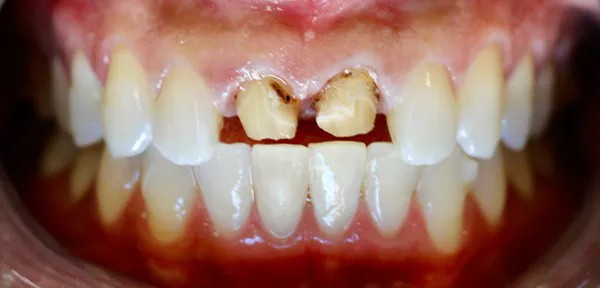
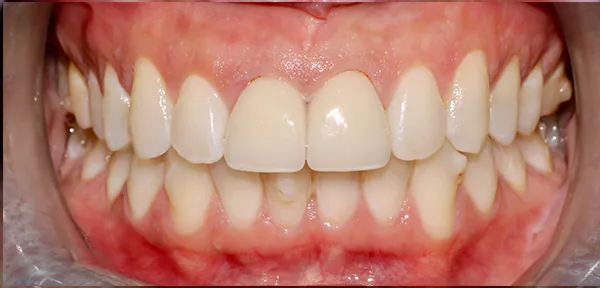
Dental crown is one of the most commonly recommended restorations in dentistry — and one of the most commonly questioned. Patients hear "you need a crown" and immediately wonder: is this really necessary, or is my dentist upselling me? What's the difference between a crown and a filling? What does this actually involve? And what is it going to cost me?
These are completely reasonable questions, and you deserve straight answers. This guide explains exactly when a dental crown in Seattle is clinically necessary, when a filling might be sufficient, what the procedure involves, and what your PPO insurance is likely to cover at Moritis & Shin Dentistry in Downtown Seattle.
Quick answer
What is a dental crown and when do you need one in Seattle?
A dental crown is a custom-fitted cap that covers the entire visible portion of a tooth above the gumline, restoring its shape, strength, and appearance. A crown is necessary when a tooth is too damaged, decayed, or structurally weakened for a filling to adequately protect it — typically after a root canal, a large crack, significant decay, or a broken cusp. A well-made crown from an in-network dentist in Seattle typically costs $500–$900 out of pocket with PPO insurance at 50% coverage, and lasts 15–25 years with proper care.
Need a dental crown in Seattle? We can help.
Moritis & Shin Dentistry places crowns for new and existing patients at our Downtown Seattle office. We verify your insurance benefits before treatment and give you a written cost estimate before we begin. In-network with Delta Dental PPO, Cigna PPO, Aetna PPO, and Regence PPO. Financing available with no credit score impact.
✓ Delta Dental PPO
✓ Cigna PPO
✓ Aetna PPO
✓ Regence PPO
What is a dental crown — and what does it actually do?
A dental crown is a precisely fitted restoration that encases the entire visible portion of a damaged or weakened tooth above the gumline. Unlike a filling, which fills a cavity or void within the tooth, a crown covers the whole outer surface — protecting what remains of the tooth structure from further fracture, decay, and wear.
Think of it this way: a filling repairs a hole in a tooth. A crown protects a tooth that has become too structurally compromised to reliably withstand normal chewing forces without cracking further. A crown distributes bite forces evenly across its surface and bonds to the remaining tooth structure, essentially acting as a new outer shell.
Modern crowns are fabricated from high-quality ceramic materials — most commonly zirconia or full porcelain — and are matched to the color of your surrounding teeth. A well-placed dental crown in Seattle is indistinguishable from a natural tooth.
8 situations where a dental crown in Seattle is necessary
1. After a root canal
A tooth that has undergone root canal treatment loses significant structural integrity — the pulp chamber is hollow, and the tooth becomes more brittle and prone to fracture under normal chewing forces. A crown is almost always required after a root canal on any back tooth (molar or premolar) to prevent the tooth from cracking. Without a crown, a root canal-treated tooth frequently fractures — often irreparably — within a few years. The crown is not optional; it is the completion of the root canal treatment.
2. A large or failing filling
When a filling occupies more than half the width of a tooth, the remaining natural tooth structure becomes thin and vulnerable. Large fillings — particularly old amalgam (silver) fillings — can cause the remaining tooth walls to flex and crack under chewing forces. When more of a tooth is filling than natural tooth, a crown becomes necessary to hold the structure together and prevent fracture. This is one of the most common reasons for a crown recommendation and one of the most legitimate.
3. A cracked tooth
Cracked tooth syndrome — where a tooth has a crack that causes sharp pain when biting in a specific direction — is a strong indication for a crown. The crown holds the crack together and prevents it from propagating further. If a crack is left untreated and extends below the gumline or through the root, the tooth may become unsalvageable. A crown at the right time can save a cracked tooth that would otherwise require extraction.
4. Significant decay that can't be restored with a filling
When a cavity is large enough that removing all the decay leaves insufficient tooth structure to support a filling reliably, a crown is required. The threshold is generally when decay has destroyed more than approximately 50% of the tooth's surface area, or when it extends significantly below the gumline in a way that undermines the remaining walls.
5. A broken or fractured cusp
When a cusp — one of the pointed chewing surfaces of a molar or premolar — breaks off, what remains is an irregular, weakened structure that concentrates chewing forces unevenly. Depending on the extent of the fracture, a large filling may be attempted, but a crown typically provides more reliable long-term protection by distributing forces evenly across the whole tooth surface.
6. As an anchor for a dental bridge
A traditional dental bridge uses crowns on the teeth adjacent to a missing tooth as anchors to support the replacement tooth suspended between them. The adjacent teeth are prepared for and crowned as part of the bridge procedure. This is a deliberate and necessary use of crowns — though it means permanently altering healthy adjacent teeth, which is one reason some patients prefer a dental implant instead.
7. To protect a tooth with severe wear from grinding
Patients with bruxism (teeth grinding) who have worn their teeth down to the point where the enamel is significantly reduced may need crowns to restore tooth height, protect remaining structure, and rebuild their bite. This is typically done as part of a comprehensive treatment plan and is accompanied by a custom night guard to prevent the same wear from recurring.
8. On top of a dental implant
Every dental implant requires a crown to complete the restoration. The implant post replaces the root; the crown replaces the visible tooth. The two components work together as a unit — the implant provides the foundation, the crown provides function and appearance. Implant crowns are fabricated specifically for the implant system used and are slightly different in design from crowns placed on natural teeth.
Crown vs. filling — how to know which one you actually need
The most common concern patients have is whether a crown is genuinely necessary or whether a filling would have been sufficient. Here is the clinical framework we use:
| Factor | Filling appropriate | Crown necessary |
|---|---|---|
| Amount of tooth structure remaining | More than 50% of tooth intact | Less than 50% of tooth remaining |
| Root canal history | No prior root canal | Post-root canal (back teeth) |
| Crack presence | No crack detected | Crack present — needs to be held together |
| Decay extent | Small to moderate cavity | Large decay undermining tooth walls |
| Existing filling size | Small to medium filling | Large filling — more filling than tooth |
| Fracture risk | Low — tooth walls strong | High — thin walls likely to crack without protection |
If you've been told you need a crown and you're not sure why, it's entirely reasonable to ask your dentist to explain specifically which of these factors applies. A good dentist will show you the X-ray, point to the area of concern, and explain their reasoning. If the explanation doesn't satisfy you, a second opinion is always appropriate.
The cost of waiting: Patients who delay a recommended crown frequently end up needing a more expensive procedure. A tooth that cracks while waiting for a crown may fracture below the gumline — making it unrestorable and requiring extraction followed by an implant or bridge at two to four times the cost of the crown alone. If a crown has been recommended, prompt treatment is almost always the most cost-effective path.
Been told you need a crown? We'll show you exactly why.
At Moritis & Shin Dentistry, we walk every patient through the X-ray and clinical findings before recommending a crown — so you understand the reasoning, not just the recommendation. In-network with Delta Dental PPO, Cigna PPO, Aetna PPO, and Regence PPO in Downtown Seattle.
What the dental crown procedure actually involves
A dental crown in Seattle is typically completed over two appointments:
| 1 |
Preparation appointment — 60–90 minutes The tooth is numbed with local anesthesia. Any decay or failing existing restoration is removed. The tooth is shaped — reduced slightly on all sides — to create room for the crown to sit over it. Digital scans are taken and sent to the lab for fabrication. A temporary crown is placed on the prepared tooth to protect it and restore function while the permanent crown is being made. You leave with a temporary crown. Avoid very sticky or hard foods on that side until the permanent crown is placed. |
| 2 |
Placement appointment — 30–45 minutes, 1–2 weeks later The permanent crown arrives from the lab. The temporary is removed, the tooth is cleaned, and the permanent crown is tried in to check fit, bite, and appearance. Adjustments are made as needed. Once everything is confirmed, the crown is permanently cemented in place. Some mild sensitivity for a few days after cementation is normal. Full function resumes immediately. |
At Moritis & Shin Dentistry, our crowns are fabricated with careful attention to color matching, bite function, and contour — so the result integrates seamlessly with your surrounding teeth. Material selection is discussed at your consultation based on the tooth's position, function, and aesthetic requirements.
Dental crown materials — which one is right for you?
| Material | Strength | Aesthetics | Best for |
|---|---|---|---|
| Zirconia | Excellent — strongest ceramic | Very good — tooth-colored | Back teeth, grinders, implant crowns |
| Full porcelain / e.max | Good — best for moderate forces | Excellent — most natural appearance | Front teeth, high aesthetic priority |
| Porcelain-fused-to-metal (PFM) | Very good — metal substructure | Good — possible dark margin at gumline over time | Back teeth — established, cost-effective |
| Gold / metal alloy | Outstanding — most durable | Gold-colored — visible on back teeth | Back molars, heavy grinders, longevity priority |
For most patients at Moritis & Shin, zirconia is the default for back teeth — it combines excellent strength with a tooth-colored appearance and handles grinding forces well. Full porcelain (e.max) is our preference for front teeth where aesthetics are the priority.
Dental crown cost in Seattle — and what your insurance covers
| Crown type | Without insurance | With PPO in-network (est. 50%) |
|---|---|---|
| Porcelain-fused-to-metal crown | $1,100 – $1,500 | $500 – $750 |
| Full zirconia crown | $1,200 – $1,700 | $550 – $850 |
| Full porcelain / e.max crown | $1,300 – $1,800 | $600 – $900 |
| Implant crown | $1,200 – $1,800 | $500 – $900 (varies by plan) |
Estimates reflect typical in-network pricing at Moritis & Shin Dentistry for Delta Dental PPO, Cigna PPO, Aetna PPO, and Regence PPO. Actual cost depends on your specific plan, remaining annual maximum, and deductible status. We verify your exact benefit before treatment begins.
Most PPO dental plans cover crowns at 50% under major restorative benefits — after your deductible. If you have significant annual maximum remaining before January 1, now is an excellent time to schedule a crown rather than lose those benefits. See our guide on using your dental insurance before year-end for more on how to time treatment to maximize coverage.
How long do dental crowns last in Seattle?
A well-made crown placed on a properly prepared tooth by an experienced dentist typically lasts 15–25 years. The factors that most affect crown longevity:
| Oral hygiene | Decay can develop at the crown margin — where the crown meets the tooth at the gumline. Brushing, flossing, and regular cleanings protect this junction and significantly extend crown life. |
| Grinding and clenching | Bruxism dramatically accelerates crown wear and increases fracture risk. A custom night guard is strongly recommended for any patient with a history of grinding — especially after crown placement. |
| Material quality and fit | A precisely fitted crown with excellent margins prevents bacterial infiltration and decay at the junction. Material quality and lab fabrication standards significantly affect longevity. |
| Regular dental maintenance | Six-monthly checkups allow early identification of any issues at crown margins before they become larger problems. |
Frequently asked questions about dental crowns in Seattle
How do I know if I need a crown or a filling in Seattle?
A filling is sufficient when a cavity or damage is limited and more than half the tooth structure remains intact. A crown is necessary when the tooth has less than half its structure remaining, has undergone a root canal, has a crack that needs to be held together, or has a large failing filling. Your dentist should show you the X-ray and explain the specific reason — if the explanation isn't clear, ask them to walk you through it. A second opinion is always reasonable for major restorations.
How much does a dental crown cost in Seattle with insurance?
With Delta Dental PPO, Cigna PPO, Aetna PPO, or Regence PPO at an in-network practice like Moritis & Shin Dentistry, most patients pay $500–$900 out of pocket for a crown after insurance covers approximately 50%. Your exact cost depends on your specific plan, whether you've met your deductible, and how much annual maximum you have remaining. We verify your benefits and give you a written cost estimate before any treatment begins.
Does a dental crown hurt?
The preparation appointment is performed under local anesthesia — you should feel pressure but not pain during the procedure. Some sensitivity and soreness for a few days after preparation and after final cementation is normal and managed with over-the-counter ibuprofen. If you experience significant or lasting pain after a crown is placed, contact your dentist — it may indicate a bite adjustment is needed or that the underlying tooth requires further evaluation.
How long does a dental crown last in Seattle?
A well-made dental crown typically lasts 15–25 years with proper oral hygiene, regular dental maintenance, and a night guard if you grind. Decay at the crown margin and fracture from grinding are the most common reasons crowns need replacement. Excellent home care and six-monthly checkups significantly extend crown lifespan.
Can I wait to get a dental crown that's been recommended?
Delaying a recommended crown carries real risk. A tooth that needs a crown has compromised structural integrity — delay gives it more opportunity to crack further, sometimes catastrophically. A tooth that fractures below the gumline while waiting for a crown may become unrestorable, requiring extraction and an implant at two to four times the cost. If a crown has been recommended, prompt treatment is almost always the more cost-effective and clinically safer choice.
What is the difference between a crown and a veneer?
A veneer covers only the front surface of a tooth and is used for cosmetic improvement of visible front teeth. A crown covers the entire tooth above the gumline and is used for structural restoration. Veneers require minimal tooth reduction; crowns require more significant preparation of all surfaces. Veneers are elective and cosmetic; crowns are typically clinically necessary. They serve different purposes and are not interchangeable. Learn more in our guide to porcelain veneers in Seattle.
The bottom line
A dental crown in Seattle is one of the most reliably effective restorations in dentistry — when it's recommended for the right reason, placed with precision, and made from quality materials. It protects a vulnerable tooth from further fracture, restores full function, and when done well, is completely indistinguishable from the teeth around it.
If you've been told you need a crown and you're not sure why, the right response isn't to ignore it — it's to ask for a clear explanation and, if needed, a second opinion. What it shouldn't be is a long delay, because the tooth that needs a crown today rarely gets better on its own.
If you're in Seattle and you have a crown that's been recommended — or a tooth that's been bothering you and you're not sure what it needs — we'd like to take a look.
Moritis & Shin Dentistry — Downtown Seattle
509 Olive Way, Suite 1520, Seattle WA 98101 · (206) 682-7900
Dental crowns for new and existing patients · Benefits verified before treatment · No surprise costs
In-house payment plans and interest-free financing — no credit score impact
Serving Downtown, Capitol Hill, Belltown, South Lake Union & Pioneer Square
✓ Delta Dental PPO
✓ Cigna PPO
✓ Aetna PPO
✓ Regence PPO