Dental Emergencies · Seattle
A Seattle dentist's guide to protecting your tooth, managing discomfort, and getting back on track fast.
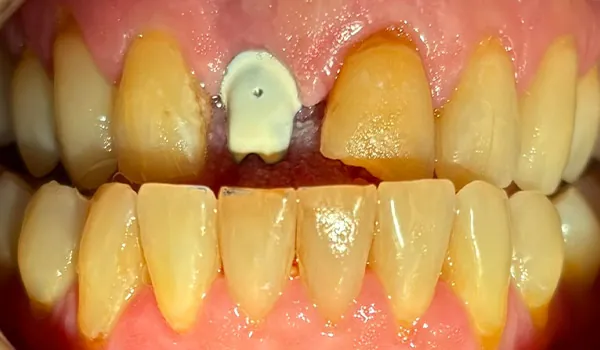
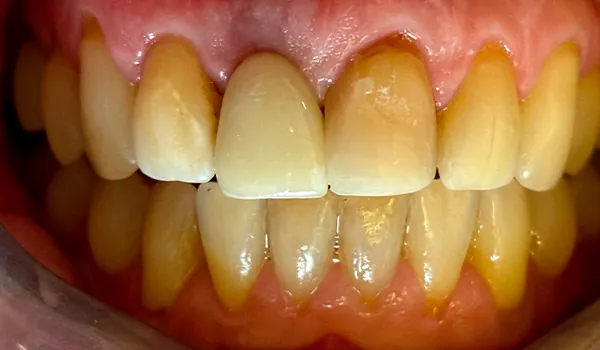
You're eating lunch, or biting into something crunchy, and suddenly there's a hard little object in your mouth — your crown or filling has come out. Before the panic sets in, take a breath: this happens to patients every day, and in most cases it's very manageable. You don't need to rush to the ER, and you won't lose the tooth if you act smart in the next few hours.
Here's what to do right now, and how to get the right care quickly in Seattle.
Need to be seen quickly in Seattle?
Moritis & Shin Dentistry is located in Downtown Seattle and accommodates urgent cases for both new and existing patients. Call us or request an appointment online.
Is a lost crown or filling a dental emergency?
Usually — but not always an immediate one. Here's how to read the situation:
Call a dentist right away (same day) if:
· You have significant pain or sensitivity that won't ease
· The exposed tooth feels sharp or jagged against your tongue
· You can see visible damage or dark discoloration in the tooth
· The crown came off and there's pain when biting
You can wait until the next available appointment if: there's no pain, the tooth feels intact, and you can protect the area with dental wax or a temporary cement.
The reason timing matters: when a crown or filling comes out, the underlying tooth structure is exposed and vulnerable. Bacteria move fast. The longer you wait, the higher the risk of decay, sensitivity, or damage that makes the repair more complex.
Step-by-step: what to do right now
|
Step 1 Save the crown or filling Don't throw it away. Store it in a small zip-lock bag. Your dentist may be able to recement it. |
Step 2 Rinse your mouth Warm salt water rinse — gently. This cleans the area and reduces bacterial exposure to the bare tooth. |
|
Step 3 Protect the tooth Dental wax, denture adhesive, or temporary cement (Dentemp or similar, sold at most pharmacies) can cover the area until your appointment. |
Step 4 Avoid problem foods No hard, sticky, or crunchy foods. Avoid very hot or cold temperatures. Chew on the opposite side. |
|
Step 5 Manage sensitivity Ibuprofen or acetaminophen can help. Clove oil applied with a cotton swab is also an effective short-term numbing agent. |
Step 6 Call your dentist Even if you feel fine, get on the schedule within 24–72 hours. Don't wait for pain — that usually means decay has already set in. |
Can you recement a crown at home?
Temporarily, yes — and it's worth doing if you can't get in right away. Pharmacies like Bartell Drugs or Walgreens carry temporary dental cement (Dentemp, Recapit, or similar). Clean the inside of the crown, dry it, apply the cement, and press it firmly into place. Bite down for a minute to seat it properly.
Important: temporary cement is not a permanent fix. It can last a few days to a week, but the crown needs to be properly recemented by a dentist as soon as possible. Leaving a loosely fitted crown in place long-term can trap bacteria and damage the tooth underneath.
Don't attempt to glue a crown back with superglue or household adhesive. These are not biocompatible, can damage the crown permanently, and make it significantly harder for the dentist to restore properly.
Why did my crown or filling fall out?
It's a fair question, and knowing the answer helps prevent it from happening again. The most common reasons:
Worn or old cement: Dental cement weakens over time — most crowns last 10–15 years before the seal starts to fail. If yours has been in place for a decade or more, this is likely the culprit.
Decay under the crown: If bacteria got underneath, the tooth structure supporting the crown can break down — causing it to become loose. This is the most important scenario to catch early, because it affects treatment options.
Bite or grinding issues: Heavy bite forces, especially from clenching or grinding (bruxism), put stress on crowns and fillings over time. If you've lost more than one, it's worth discussing a night guard.
Sticky or hard foods: Caramels, ice, hard candy, and similar foods are notorious crown-dislodgers. Once a crown is recemented, these are worth avoiding going forward.
What will the dentist do at your appointment?
The treatment depends on the condition of both the crown and the underlying tooth.
Crown is intact, tooth is healthy: The dentist cleans both surfaces, checks the fit, and rececements the crown with fresh dental cement. This is a short, straightforward appointment.
Crown is intact, but there's decay underneath: The decay needs to be removed and the tooth rebuilt before the crown can be recemented. In some cases a new crown is needed if the fit is now compromised.
Crown is damaged or no longer fits: A new crown is fabricated. An impression or digital scan is taken, a temporary crown is placed same-day, and your permanent crown is ready within one to two weeks.
Lost filling: If the cavity structure is still clean, a new composite filling can often be placed in the same appointment. If decay has developed in the exposed area, that's addressed first.
Lost a crown or filling in Downtown Seattle?
We see urgent cases at Moritis & Shin Dentistry and work to get you in quickly — whether you're an existing patient or brand new to our practice. Located at 509 Olive Way, Suite 1520.
Frequently asked questions about lost crowns and fillings in Seattle
How long can I leave a missing crown before seeing a dentist?
Ideally no longer than 72 hours. The exposed tooth is vulnerable to decay, sensitivity, and fracture. If you've used temporary cement, you have a bit more runway — but don't push past a week.
Can a lost filling cause an infection?
Yes. A missing filling exposes the inner layers of the tooth to bacteria. Over time — especially if the original cavity was deep — this can progress to a dental infection or abscess. Early treatment prevents that outcome.
Does insurance cover recementation of a crown?
Most PPO dental plans cover recementation, though there may be a waiting period if the crown is relatively new. Coverage for a replacement crown typically falls under major restorative services at 50% after your deductible. Our front desk can check your benefits before your appointment.
What if I swallowed the crown or filling?
It's more common than you'd think. Small dental restorations almost always pass without issue. If you experience abdominal pain, difficulty swallowing, or breathing issues, see a doctor immediately. Otherwise, let your dentist know and they'll arrange a replacement.
Will a lost filling always hurt?
Not right away — but sensitivity to hot, cold, or sweet is common once the tooth is exposed. If the original filling was deep, closer to the nerve, discomfort can be more immediate. Either way, get it seen promptly.
The bottom line
A lost crown or filling is one of the most common dental urgencies — and one of the most fixable. Don't panic, don't wait for pain to force your hand, and don't reach for the superglue. Protect the tooth with temporary cement, save the crown if you have it, and get in touch with a dentist within the next day or two.
The faster you act, the simpler — and less expensive — the fix.
Serving Seattle patients from Capitol Hill to Pioneer Square
Moritis & Shin Dentistry is a PPO-friendly practice in the heart of Downtown Seattle. Lost a crown or filling? Give us a call — we'll find a way to get you in.