
Straighter teeth, healthier gums, no metal wires — and often in less time than you'd expect. Here's who actually qualifies for Invisalign in Seattle.
·
Moritis & Shin Dentistry, Downtown Seattle
·
6 min read
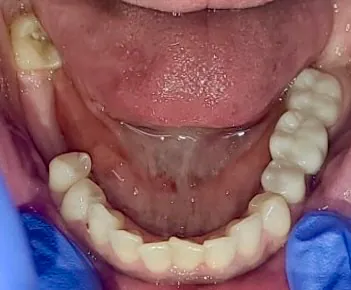
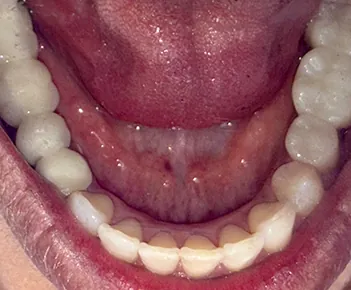
One of the most persistent myths about Invisalign is that it's a treatment for teenagers and young professionals. At our Downtown Seattle practice, we treat Invisalign patients ranging from 18 to 70 years old — and the 60-something patient finally addressing a smile they've been self-conscious about for decades is just as common as the 20-something straightening their teeth before a wedding.
This guide explains who makes a good Invisalign candidate, what the science says about periodontal health and treatment time compared to traditional braces, and how to know if it's the right choice for you — at any age.
Curious if you're a candidate? Find out in one visit.
Moritis & Shin Dentistry offers Invisalign consultations for patients of every age in Downtown Seattle. In-network with Delta Dental PPO, Cigna PPO, Aetna PPO, and Regence PPO. Financing available with no credit score impact.
✓ Delta Dental PPO
✓ Cigna PPO
✓ Aetna PPO
✓ Regence PPO
Quick answer
Who is a good candidate for Invisalign?
Most adults and teens with mild to moderate crowding, spacing, or bite issues are good Invisalign candidates, regardless of age — patients from 18 to 70 are treated successfully every year. The best candidates have healthy gums and adequate bone support, since active periodontal disease must be controlled before treatment begins. Severe bite problems or significant tooth movement needs may still require traditional braces, but the majority of adult orthodontic cases are well suited to Invisalign.
Invisalign candidates aren't just teenagers — here's the real range
At Moritis & Shin Dentistry, we've treated Invisalign patients across every adult decade. Each age group tends to have its own motivations, and understanding where you fit can help clarify whether it's the right time for you.
| 18–25 | Often finishing what childhood orthodontics started, or addressing relapse after not wearing a retainer. Excellent candidates — bone is still highly responsive to tooth movement. |
| 26–40 | The largest Invisalign demographic. Career-driven patients who want straighter teeth without the visible disruption of metal braces during client meetings or daily professional life. |
| 41–55 | Frequently addressing years of gradual shifting, crowding that worsened with age, or wear patterns from grinding. Often highly motivated and excellent with compliance — a key factor in Invisalign success. |
| 56–70 | Increasingly common. Many patients in this range finally pursue a smile they've wanted to fix for decades. Candidacy depends more on gum and bone health than age itself — a thorough periodontal evaluation is the deciding factor, not the birth year. |
Research consistently shows that patients aged 35 to 50 benefit the most from Invisalign, largely because this age group tends to have the motivation, the financial means, and the daily discipline needed to wear aligners 20–22 hours per day — the single biggest factor in treatment success at any age.
What makes someone a good Invisalign candidate — the real criteria
Age is almost never the deciding factor. Here's what actually determines candidacy:
| Good candidate | Needs evaluation first |
|---|---|
| Mild to moderate crowding or spacing | Severe bite misalignment requiring significant jaw correction |
| Healthy gums and adequate bone support | Active or untreated periodontal (gum) disease |
| Willing to wear aligners 20–22 hours daily | History of poor compliance with removable dental devices |
| Minor to moderate overbite, underbite, or crossbite | Teeth with large crowns, bridges, or extensive restorations |
| Relapsed orthodontic results from years past | History of significant jawbone loss |
Even in the "needs evaluation" column, many patients still qualify — these factors require a closer look during your consultation, not an automatic disqualification. We work closely with periodontal specialists when needed to make sure tooth movement happens safely.
Not sure which column you fall into? Let's find out together.
Every Invisalign consultation at Moritis & Shin starts with a full exam and digital scan — so you get a clear, honest answer about your candidacy, not a guess. In-house payment plans and interest-free financing available with no credit score impact.
Why Invisalign protects your gums better than metal braces
This is the part most patients don't know — and it's one of the most clinically significant advantages of Invisalign, especially for adult patients managing long-term oral health.
A peer-reviewed comparative study tracking periodontal health in patients with fixed braces versus clear aligners found that individuals using clear aligners showed measurably better periodontal outcomes — including lower plaque accumulation, less gum inflammation, and shallower probing depths — compared to patients in traditional metal braces. A separate 2025 systematic review and meta-analysis confirmed the same pattern: clear aligner patients consistently showed lower plaque buildup and reduced gingival bleeding compared to braces patients.
Here's why this happens:
| Removable for cleaning | You take Invisalign aligners out to brush and floss normally. Metal braces trap food and plaque around brackets and wires, making thorough cleaning significantly harder. |
| No brackets or wires | There are no hardware surfaces for plaque to accumulate on. The smooth aligner material is far easier to keep clean than metal hardware bonded to your teeth. |
| Normal eating habits | Because aligners come out to eat, there's no food restriction and no risk of food becoming lodged around hardware — a common cause of gum irritation in braces patients. |
| Healthier oral microbiome | Clinical research has found that removable aligners help maintain a more stable oral microbiome, preserving beneficial bacteria — whereas fixed braces are associated with more harmful bacterial shifts during treatment. |
For patients with any history of gum sensitivity, prior periodontal treatment, or general concern about gum health during orthodontic treatment, this periodontal advantage is often the deciding factor in choosing Invisalign over braces.
Invisalign is often faster than braces — here's the data
Beyond gum health, treatment time is one of the most common questions we get — especially from adult patients who don't want years of visible orthodontics.
9-12
months — average Invisalign treatment
18+
months — average traditional braces
According to a 2025 systematic review and meta-analysis, the average treatment duration was 14.2 months for clear aligners compared to 18.4 months for traditional braces — roughly a four-month difference. For mild-to-moderate orthodontic cases, which represent the majority of adult patients, clear aligners produced clinical outcomes comparable to braces, with similar success rates in achieving satisfactory alignment.
That said, actual treatment time always depends on the complexity of your case, the number of refinement stages needed, and — critically — how consistently you wear your aligners. Patients who wear their aligners for the full recommended 20–22 hours per day see faster, more predictable results than those who are inconsistent.
Invisalign vs. braces: which is right for you?
| Invisalign | Traditional braces | |
|---|---|---|
| Visibility | Virtually invisible | Visible metal brackets and wires |
| Removable | ✓ Yes | ✗ No |
| Periodontal health | Better plaque control, less gum inflammation | Harder to clean around brackets and wires |
| Average treatment time | 9-12 months | 18 plus months |
| Food restrictions | None — remove to eat | Avoid hard, sticky, chewy foods |
| Best for | Mild to moderate crowding, spacing, bite issues | Complex bite correction, severe crowding |
| Success depends on | Patient compliance — wearing 20–22 hrs/day | Less compliance-dependent — fixed in place |
For mild-to-moderate cases — the majority of adult orthodontic patients — both options produce comparable alignment outcomes. Invisalign tends to be the preferred choice when periodontal health, treatment time, and lifestyle flexibility are priorities. Braces remain the better option for complex bite correction requiring precise three-dimensional tooth control.
What to expect at your Invisalign consultation
| 1 |
Comprehensive exam and digital scan We take digital impressions (no messy molds) and evaluate your bite, crowding, and gum health. |
| 2 |
Periodontal health assessment We confirm your gums and bone support can safely accommodate tooth movement before recommending treatment. |
| 3 |
Digital treatment preview See a simulation of your projected results and estimated treatment timeline before committing to anything. |
| 4 |
Cost and insurance breakdown We verify your insurance benefits and walk through financing options before you decide anything. |
What Invisalign costs in Seattle — and what insurance covers
Invisalign typically costs between $3,000 and $8,000 nationally, depending on case complexity — mild cosmetic adjustments fall on the lower end, while complex bite corrections fall on the higher end. Most dental PPO plans cover Invisalign similarly to traditional braces, often through an orthodontic benefit separate from your general annual maximum.
| Delta Dental PPO | Many plans include a separate orthodontic lifetime maximum, often covering 50% of Invisalign cost |
| Cigna PPO | Orthodontic coverage varies by plan — we verify your specific benefit before treatment |
| Aetna PPO | Many employer plans include adult orthodontic coverage — worth checking before assuming it's not covered |
| Regence PPO | Orthodontic riders are common on Regence employer plans in the Seattle area |
We're in-network with Delta Dental PPO, Cigna PPO, Aetna PPO, and Regence PPO, and we verify your specific orthodontic benefit before you commit to treatment. For costs beyond what insurance covers, we offer in-house payment plans and interest-free financing with no impact to your credit score — available to all patients.
Invisalign for every age — find out if it's right for you
Moritis & Shin Dentistry treats Invisalign patients from 18 to 70 in Downtown Seattle. In-network with Delta Dental PPO, Cigna PPO, Aetna PPO, and Regence PPO. Flexible financing available — no credit score impact.
Frequently asked questions about Invisalign candidacy
Am I too old for Invisalign?
No. Age is not a disqualifying factor for Invisalign. We treat patients from 18 to 70 in our Downtown Seattle practice. What matters most is the health of your gums and supporting bone, not your age — many patients in their 50s and 60s are excellent candidates and complete treatment successfully.
Is Invisalign better for my gums than braces?
Yes, research supports this. A peer-reviewed comparative study found that clear aligner patients showed lower plaque accumulation, reduced gum inflammation, and shallower probing depths compared to patients with fixed braces. Because aligners are removable, you can brush and floss normally, while braces trap food and plaque around brackets and wires, making thorough cleaning significantly harder.
Does Invisalign work faster than braces?
Often, yes, for mild-to-moderate cases. A 2025 systematic review found an average treatment duration of 14.2 months for Invisalign compared to 18.4 months for traditional braces — roughly a four-month difference. Actual treatment time depends on case complexity and how consistently you wear your aligners.
Can I get Invisalign if I have gum disease?
Active periodontal disease must be controlled before starting Invisalign or any orthodontic treatment, since moving teeth in a compromised bone environment can accelerate bone loss. If you have a history of gum disease, we conduct a full periodontal evaluation and may coordinate care with a periodontist before beginning treatment. Many patients with previously treated gum disease are still excellent Invisalign candidates.
How much does Invisalign cost in Seattle with insurance?
Invisalign typically costs $3,000–$8,000 nationally before insurance, depending on case complexity. Many Delta Dental PPO, Cigna PPO, Aetna PPO, and Regence PPO plans include a separate orthodontic benefit that can cover a significant portion of the cost. We verify your specific orthodontic coverage before treatment and offer financing for any remaining balance.
What disqualifies someone from Invisalign?
The most common reasons a patient may need an alternative approach include active untreated periodontal disease, severe bite misalignment requiring significant jaw correction, extensive dental restorations like bridges that limit independent tooth movement, or an inability to commit to wearing aligners 20–22 hours daily. Even in these cases, a consultation can clarify your specific options — many patients in these categories still qualify with modifications to the treatment plan.
The bottom line
Invisalign candidacy comes down to your gum health, the complexity of your case, and your willingness to wear aligners consistently — not your age. Whether you're 18 and finishing up orthodontics from your teenage years, or 65 and finally addressing a smile you've wanted to fix for decades, the path forward starts with the same first step: an honest evaluation.
If you're in Seattle and curious whether you're a good candidate, we'd be glad to find out with you.
Moritis & Shin Dentistry — Downtown Seattle
509 Olive Way, Suite 1520, Seattle WA 98101
Invisalign for patients 18 to 70 · New patients welcome · Benefits verified before treatment
In-house payment plans and interest-free financing — no credit score impact
Serving Downtown, Capitol Hill, Belltown, South Lake Union & Pioneer Square
✓ Delta Dental PPO
✓ Cigna PPO
✓ Aetna PPO
✓ Regence PPO