
Tooth Replacement · Seattle
Dental implants are the closest thing modern dentistry has to a natural tooth. Here's everything Seattle patients need to know — the process, the real costs, what insurance covers, and how to know if you're a candidate.
·
Moritis & Shin Dentistry, Downtown Seattle
·
7 min read
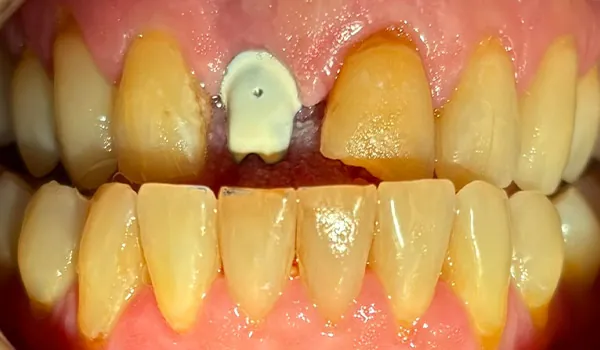
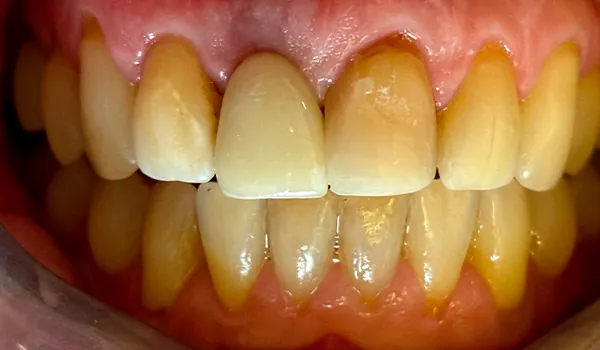
Dental implants in Seattle are one of the most researched procedures patients bring to their first consultation — and for good reason. They represent a significant investment, a multi-month commitment, and a permanent change to your mouth. Patients want to understand exactly what they're getting into before they decide.
This guide covers everything honestly: what a dental implant actually is, who qualifies, what the process involves from start to finish, what it realistically costs in Seattle, and what your PPO insurance is likely to cover. No vague estimates, no overselling — just the information you need to make a confident decision.
Quick answer
What are dental implants and how do they work in Seattle?
A dental implant is a titanium post surgically placed into the jawbone to replace the root of a missing tooth. Over 3–6 months, the implant fuses with the bone through a process called osseointegration. A custom crown is then attached on top, completing the restoration. The result looks, feels, and functions like a natural tooth — and is the only replacement option that actively preserves the jawbone beneath it. In Seattle, total implant cost typically ranges from $3,500–$6,000 per tooth including the crown, with PPO insurance covering varying portions depending on the plan.
Considering dental implants in Seattle? Start with a consultation.
Moritis & Shin Dentistry offers implant consultations in Downtown Seattle. We evaluate your candidacy, walk you through the full process and timeline, verify your insurance benefits, and give you a complete cost estimate — before you commit to anything. In-network with Delta Dental PPO, Cigna PPO, Aetna PPO, and Regence PPO. Financing available with no credit score impact.
✓ Delta Dental PPO
✓ Cigna PPO
✓ Aetna PPO
✓ Regence PPO
Why dental implants are the gold standard for tooth replacement
Every tooth replacement option has a role — bridges, partial dentures, and resin-bonded restorations all serve patients well in the right situation. But dental implants hold the gold standard designation for a specific clinical reason that no other option shares: they are the only replacement that preserves the jawbone.
When a tooth is lost, the jawbone that surrounded its root no longer receives stimulation from chewing forces. Without that stimulation, the bone begins to resorb — shrinking in both width and height. Studies show a 25% reduction in bone width within the first year of tooth loss, with continued loss over subsequent years. This bone loss changes facial structure over time, makes future implant placement more complex, and cannot be fully reversed.
A dental implant's titanium post acts as an artificial root, transmitting chewing forces directly into the bone and maintaining the stimulation that prevents resorption. No other tooth replacement option does this. For patients who want to preserve their bone structure, their facial profile, and their long-term oral health — an implant is the only option that addresses the problem at its root, literally.
Who is a good candidate for dental implants in Seattle?
| Good candidate | Needs evaluation first |
|---|---|
| One or more missing teeth | Significant bone loss at the implant site (bone graft may be needed first) |
| Adequate bone volume and density | Active periodontal disease (must be treated before implant placement) |
| Healthy gums with no active disease | Uncontrolled diabetes (affects healing and osseointegration success) |
| Non-smoker or willing to stop during healing | Heavy smoker (significantly increases implant failure risk) |
| Fully developed jaw (age 18+ in most cases) | Certain medications affecting bone density (bisphosphonates) |
| Good general health able to undergo minor surgery | Recent radiation therapy to the head or neck |
Many patients in the "needs evaluation" column are still excellent implant candidates — it simply means additional steps are needed before or during the process. Bone grafting, periodontal treatment, or medical coordination can resolve most of these factors. A thorough consultation with X-rays and a 3D CBCT scan when indicated gives us the complete picture.
The dental implant process in Seattle — step by step
| 1 |
Consultation and imaging We evaluate the implant site with X-rays and, when needed, a cone beam CT (CBCT) scan that provides a 3D view of your bone volume, density, and anatomy. We assess your medical history, gum health, and bite. You receive a complete treatment plan with costs before any procedure is scheduled. Timeline: 1 appointment |
| 2 |
Bone grafting — if needed If the implant site has insufficient bone volume due to tooth loss or infection, a bone graft is performed first. Bone grafting material is placed at the site and allowed to integrate — typically requiring 3–6 months of healing before implant placement. Not every patient needs this step. Timeline: 1 appointment + 3–6 months healing if needed |
| 3 |
Implant placement surgery The titanium implant post is placed into the jawbone under local anesthesia — the procedure itself typically takes 30–60 minutes per implant. Most patients are surprised by how manageable the experience is. Post-operative soreness for 3–5 days is normal and managed with over-the-counter ibuprofen in most cases. A temporary restoration may be placed the same day. Timeline: 1 appointment |
| 4 |
Osseointegration — healing period Over the next 3–6 months, the implant fuses with the surrounding bone through osseointegration. This is the phase that cannot be rushed — it is the biological process that gives the implant its stability and longevity. During this period you have a temporary restoration and normal dietary function in most cases. Timeline: 3–6 months |
| 5 |
Abutment placement Once osseointegration is confirmed, a small connector piece called an abutment is attached to the implant. This is a minor procedure — often performed under local anesthesia — that creates the connection point for the final crown. In many cases the abutment is placed at the same time as the implant. Timeline: 1 appointment |
| 6 |
Crown fabrication and placement Impressions or digital scans are taken and sent to the lab for fabrication of your custom crown. When ready — typically 1–2 weeks — the crown is attached to the abutment. At Moritis & Shin, our crowns are fabricated to the same high standard as our restorative and cosmetic work, with careful attention to color, shape, and function. Timeline: 2 appointments over 1–2 weeks |
Total timeline: For patients who don't need bone grafting, the process from consultation to final crown typically takes 4–8 months. For patients who need a bone graft first, add 3–6 months. This timeline cannot be meaningfully shortened — it is determined by biology, not scheduling preference. The good news: most patients have normal function throughout the process.
Dental implant cost in Seattle — honest numbers
Cost is the most common reason patients delay implant treatment — and the most common source of confusion, because quoted prices vary enormously depending on what's included. Here's a transparent breakdown of what you're actually paying for:
| Component | Typical cost (Seattle) | With PPO in-network |
|---|---|---|
| Consultation + imaging (X-ray / CBCT) | $200 – $500 | Often covered at 80–100% |
| Bone graft (if needed) | $500 – $3,000 | Varies — sometimes partially covered |
| Implant post (surgical placement) | $1,500 – $2,500 | Varies by plan — some cover 50% |
| Abutment | $300 – $500 | Sometimes covered at 50% |
| Implant crown | $1,200 – $1,800 | Often covered at 50% |
| Total (single tooth implant) | $3,500 – $6,000 | $1,800 – $4,000 depending on plan |
Estimates reflect typical Seattle market rates and in-network pricing for Delta Dental PPO, Cigna PPO, Aetna PPO, and Regence PPO at Moritis & Shin Dentistry. Actual cost depends on your specific plan, remaining annual maximum, deductible, and case complexity. We provide a written cost estimate before any treatment begins.
What does dental insurance cover for implants in Seattle?
Implant coverage is one of the most variable areas in dental insurance — and one of the most misunderstood. Here's the honest breakdown:
| Delta Dental PPO | Coverage varies significantly by employer plan. Many plans cover the implant crown at 50% under major restorative. Some newer plans cover the implant post as well. Older or basic plans may exclude implants entirely. Verify your specific plan — don't assume. |
| Cigna PPO | Similar variation by employer plan. Many Cigna PPO plans in the Seattle area include implant benefits at 50% for the crown and sometimes the post. Cigna's in-network rates at our office are among the more favorable for implant work. |
| Aetna PPO | Aetna employer plans increasingly include implant benefits — coverage at 50% for crown and abutment is common on newer plans. Some plans have a waiting period (often 12 months) before implant benefits become available. |
| Regence PPO | Regence PPO plans in Washington often include implant coverage under major restorative at 50%. The annual maximum is the primary limiting factor — implants frequently exceed it in a single year, making the year-end split strategy particularly valuable for implant patients. |
The annual maximum issue: Most PPO plans have an annual maximum of $1,000–$2,000. A single implant often costs more than that. This means your insurance covers a portion — typically $500–$1,000 — and the rest is your responsibility. For patients with significant annual maximums remaining, timing implant treatment to use this year's and next year's maximum (the year-end split strategy) can cut out-of-pocket cost substantially. We help you plan this at your consultation.
Dental implants vs. the alternatives — why implants often win long-term
| Dental implant | Traditional bridge | Partial denture | |
|---|---|---|---|
| Prevents bone loss | ✓ Yes | ✗ No | ✗ No |
| Adjacent teeth affected | None | Permanently crowned | Clips attach |
| Longevity | Lifetime with care | 10–15 years | 5–10 years |
| Feels like a natural tooth | Yes — most natural | Very good | Less so — removable |
| Long-term cost | Best — no replacement needed | Moderate — replacement every 10–15 yrs | Lower upfront, higher cumulative |
| Upfront cost | Highest | Moderate | Lowest |
A dental implant has the highest upfront cost of any replacement option — and the lowest long-term cost. A bridge replaced twice over 30 years costs more than a single implant that lasts a lifetime. When patients factor in the long-term economics alongside the clinical benefits, implants are frequently the most financially rational choice as well as the best clinical one.
Have dental insurance? We'll tell you exactly what your plan covers for implants.
Implant coverage varies dramatically by plan. Moritis & Shin Dentistry verifies your exact benefit — not a guess — before your consultation. We're in-network with Delta Dental PPO, Cigna PPO, Aetna PPO, and Regence PPO, and we offer financing for the remainder with no credit score impact.
Frequently asked questions about dental implants in Seattle
How much do dental implants cost in Seattle?
A single tooth dental implant in Seattle typically costs $3,500–$6,000 total, including the implant post, abutment, and crown. If a bone graft is needed, add $500–$3,000. PPO insurance may cover portions of the crown and sometimes the implant post — reducing out-of-pocket cost significantly for insured patients. Moritis & Shin Dentistry is in-network with Delta Dental PPO, Cigna PPO, Aetna PPO, and Regence PPO and verifies your exact implant benefit before treatment.
How long does the dental implant process take in Seattle?
From consultation to final crown, most patients complete the implant process in 4–8 months without bone grafting. Patients who need a bone graft first should allow 7–14 months total. The longest phase is osseointegration — the 3–6 month healing period during which the implant fuses with the jawbone. This cannot be rushed. Most patients have a temporary restoration and normal function throughout.
Does dental insurance cover implants in Seattle?
Coverage varies significantly by plan. Many PPO plans — including Delta Dental PPO, Cigna PPO, Aetna PPO, and Regence PPO — cover the implant crown at 50% under major restorative. Some plans also cover the implant post. Others have waiting periods or exclude implants entirely. We verify your specific benefit before your consultation — not an estimate, the actual number. We also help patients plan treatment timing to maximize coverage across calendar years.
Are dental implants painful?
Implant placement is performed under local anesthesia and is typically well-tolerated during the procedure. Most patients experience manageable soreness for 3–5 days afterward, controlled with over-the-counter ibuprofen. Significant pain after implant placement is uncommon — if it occurs, contact your dentist promptly. Most patients report the procedure was considerably less uncomfortable than they anticipated.
How long do dental implants last in Seattle?
A well-placed dental implant with proper maintenance can last a lifetime. Long-term studies show survival rates exceeding 95% at 10 years and strong performance at 20+ years. The crown on top of the implant may need replacement after 15–25 years, but the implant post itself is designed to be permanent. Regular dental maintenance and avoiding heavy grinding (or wearing a night guard if you do) are the most important factors in implant longevity.
What happens if I delay replacing a missing tooth in Seattle?
Every month without tooth replacement, the jawbone at the missing tooth site resorbs — losing width and height. After a year of bone loss, implant placement may require a bone graft that adds cost, healing time, and complexity. Adjacent teeth also begin to shift into the gap, and the opposing tooth may over-erupt. The longer you wait, the more complex and expensive the solution becomes. If implants are on your radar, the best time to act is as soon as the site is healed.
The bottom line
Dental implants in Seattle are the most permanent, most functional, and most bone-preserving tooth replacement available. The process takes time — biology cannot be hurried — but the outcome is a restoration that looks and functions like a natural tooth, often for a lifetime.
The cost is real, and we won't minimize it. But when you factor in longevity, bone preservation, and the avoidance of repeated replacement costs, implants are frequently the most cost-effective choice over a 20–30 year horizon. And with the right insurance planning and financing, the out-of-pocket cost is often more manageable than patients expect.
If you're considering dental implants in Seattle, the first step is a consultation — not a commitment. We'll evaluate your candidacy, show you your options, verify your exact insurance benefit, and give you a complete cost picture before you decide anything.
Moritis & Shin Dentistry — Downtown Seattle
509 Olive Way, Suite 1520, Seattle WA 98101
Dental implant consultations · New patients welcome · Insurance benefits verified before treatment
In-house payment plans and interest-free financing — no credit score impact
Serving Downtown, Capitol Hill, Belltown, South Lake Union & Pioneer Square
✓ Delta Dental PPO
✓ Cigna PPO
✓ Aetna PPO
✓ Regence PPO