
Dental Health · Seattle
You might be grinding your teeth every night and not know it. Here's how to tell, what damage it's doing, and how to stop it before it becomes a much bigger problem.
·
Moritis & Shin Dentistry, Downtown Seattle
·
6 min read
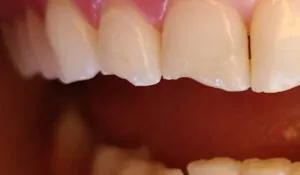
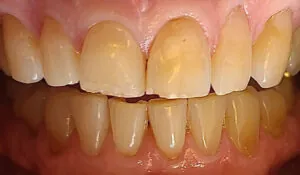
Teeth grinding — clinically called bruxism — is one of the most common and most underdiagnosed dental problems in adults. Most people who grind their teeth do so at night, entirely unconsciously, and have no idea it's happening until a dentist points out the wear patterns on their teeth or a partner mentions the noise.
Left untreated, bruxism causes progressive and irreversible damage to your teeth — wearing down enamel, cracking cusps, fracturing restorations, and putting enormous stress on your jaw joints and muscles. In Seattle, where workplace stress, long work hours, and high-pressure professional culture are part of daily life for many patients, bruxism is a condition we see and treat regularly.
This guide explains how to identify if you're grinding, what damage it causes over time, and what treatment options are available — including the most effective first-line solution.
Quick answer
How do I know if I'm grinding my teeth at night?
The most common signs of nighttime teeth grinding include waking up with jaw soreness or stiffness, morning headaches centered at the temples, tooth sensitivity that wasn't there before, and flattened or chipped tooth edges. A dentist can identify wear patterns on your teeth during a routine exam even before symptoms appear. If you grind, a custom-fitted night guard is the most effective way to protect your teeth from further damage.
Think you might be grinding your teeth?
Moritis & Shin Dentistry evaluates and treats bruxism at our Downtown Seattle office. In-network with Delta Dental PPO, Cigna PPO, Aetna PPO, and Regence PPO. Financing available with no credit score impact.
✓ Delta Dental PPO
✓ Cigna PPO
✓ Aetna PPO
✓ Regence PPO
Signs you may be grinding your teeth
Because most bruxism happens during sleep, the signs are often indirect. Here's what to look for:
| Morning jaw soreness or stiffness | The jaw muscles have been working all night. Soreness and tightness in the jaw and temples upon waking is one of the most reliable signs of nighttime grinding. |
| Headaches on waking | Tension headaches concentrated at the temples or the back of the head in the morning — distinct from other headache types — are a classic bruxism symptom from overworked jaw muscles. |
| Tooth sensitivity that's new or worsening | As enamel wears away from grinding, the underlying dentin — which contains microscopic channels to the nerve — becomes exposed, causing sensitivity to cold, heat, or pressure. |
| Flat, worn, or chipped tooth edges | Natural teeth have slight ridges and contours. Grinding wears these down to a flat, uniform surface — visible in a mirror or pointed out during a dental exam. |
| Cracked or fractured teeth | The lateral forces generated by grinding can crack tooth cusps and fracture existing restorations — crowns, fillings, and veneers — far earlier than their expected lifespan. |
| Ear pain or fullness | The temporomandibular joint (TMJ) sits directly in front of the ear canal. Grinding puts sustained pressure on this joint, causing referred pain that feels like earache or pressure. |
| A partner hears you grinding | Grinding produces a loud, grating sound that is often noticed by a sleeping partner before the grinder is aware of it themselves. |
| Indentations on the tongue or cheek | Clenching forces the tongue against the lower teeth and the cheek against the upper teeth, leaving scalloped impressions along the edges. |
What causes teeth grinding?
Bruxism is multifactorial — meaning no single cause explains every case. The most well-established contributing factors:
Stress and anxiety. The most consistent predictor of bruxism. Psychological stress — from work pressure, life events, or generalized anxiety — correlates strongly with both daytime clenching and nighttime grinding. Seattle's high-pressure professional culture makes this particularly relevant for many of our patients.
Sleep disorders. Bruxism is significantly more common in people with obstructive sleep apnea. The connection is neurological — sleep apnea-related arousals trigger jaw muscle activity as part of the arousal response. Patients with both conditions often see bruxism improve when their sleep apnea is treated.
Bite misalignment. Teeth that don't fit together evenly can trigger grinding as the jaw unconsciously searches for a comfortable resting position. Correcting the bite — through orthodontics or occlusal adjustment — can reduce grinding in some cases.
Medications. Certain antidepressants — particularly SSRIs — have a well-documented association with bruxism as a side effect. If grinding started or worsened after beginning a new medication, this connection is worth discussing with your prescribing physician.
Caffeine and alcohol. Both increase arousal and muscle activity during sleep. Reducing caffeine after midday and limiting alcohol — both common habits in Seattle's coffee and bar culture — can meaningfully reduce grinding intensity for some patients.
The damage bruxism causes — and why it gets worse over time
Bruxism is progressive. Every night of unprotected grinding causes incremental damage that accumulates over months and years. Here's what that progression looks like:
| Stage | What's happening | Treatment needed |
|---|---|---|
| Early | Mild enamel wear, occasional jaw soreness, no visible tooth changes yet | Night guard — prevents further wear completely |
| Moderate | Visible flattening of tooth edges, increased sensitivity, frequent jaw pain and headaches | Night guard + possible bite adjustment or restorative work on worn surfaces |
| Advanced | Significant tooth structure loss, cracked or fractured teeth, TMJ dysfunction, multiple failed restorations | Night guard + significant restorative rehabilitation — crowns, veneers, or full mouth reconstruction |
The critical point: enamel does not regenerate. Once it's ground away, it's gone permanently. The damage from advanced bruxism often requires crowns or veneers to restore — treatment that costs 10–20 times more than a night guard would have cost years earlier. A custom night guard is one of the most cost-effective investments in dentistry.
How bruxism affects your dental restorations
For patients who have already invested in crowns, veneers, fillings, or implants, bruxism is an especially important concern. Grinding forces are far greater than normal chewing forces — sometimes by a factor of 10 — and they act on restorations at angles and intensities they were not designed to withstand continuously.
What this means practically: without a night guard, patients who grind their teeth will break restorations, chip veneers, crack crowns, and damage implant components at a far higher rate than non-grinders. Protecting a restoration with a night guard is not optional — it's part of the maintenance plan for any significant dental work.
At Moritis & Shin, we discuss bruxism and night guard use as part of every restorative and cosmetic treatment plan — because the best dental work deserves protection.
Treatment options for teeth grinding in Seattle
Custom night guard — the gold standard first-line treatment. A custom-fitted night guard (occlusal splint) is fabricated from impressions of your teeth and worn during sleep. It creates a protective barrier between your upper and lower teeth, absorbing and redistributing grinding forces away from the tooth surfaces and jaw joints. Custom night guards from a dentist fit precisely, are far more comfortable and effective than over-the-counter alternatives, and typically last 3–5 years with proper care.
Stress management. Since stress is the most consistent driver of bruxism, addressing it directly — through exercise, mindfulness, cognitive behavioral therapy, or other stress-reduction strategies — can meaningfully reduce grinding intensity alongside night guard use.
Sleep apnea treatment. For patients whose bruxism is linked to sleep apnea, treating the underlying sleep disorder often reduces grinding significantly. If you snore, have been told you stop breathing during sleep, or wake unrefreshed despite adequate sleep, a sleep study is worth discussing with your physician.
Bite adjustment (occlusal equilibration). In cases where uneven bite contacts are contributing to grinding, carefully adjusting how the teeth meet can reduce the grinding trigger. This is done conservatively and only where clinically indicated.
Botulinum toxin (Botox) injections. For severe cases of jaw muscle hypertrophy and clenching that doesn't respond to a night guard alone, Botox injections into the masseter muscles reduce the force of jaw contraction. This is a specialist-level intervention typically reserved for refractory cases.
Restorative repair. For patients with existing wear damage, restorative treatment — bonding, crowns, or veneers — rebuilds lost tooth structure. This is always combined with a night guard to prevent the same damage from recurring.
Does your PPO cover a night guard?
Many Delta Dental PPO, Cigna PPO, Aetna PPO, and Regence PPO plans cover custom night guards partially or fully. We verify your specific benefit before fabricating one — so you know the cost upfront. In-house financing also available.
Over-the-counter night guards vs. custom night guards
| Custom night guard (dentist) | OTC boil-and-bite guard | |
|---|---|---|
| Fit | Precise — fabricated from your impressions | Generic — one size modified by boiling |
| Comfort | High — patients wear it consistently | Often bulky and uncomfortable — frequently abandoned |
| Protection | Even force distribution across all teeth | Uneven — can worsen bite issues |
| Durability | 3–5 years | Months — soft material degrades quickly |
| Cost | Higher upfront — often partially covered by insurance | $20–$50 OTC |
| Long-term value | High — prevents thousands in restorative costs | Low — often not worn consistently enough to protect |
Frequently asked questions about teeth grinding in Seattle
How do I know if I'm grinding my teeth at night?
The most common signs are waking up with jaw soreness or stiffness, morning headaches at the temples, new or worsening tooth sensitivity, and flattened or chipped tooth edges. A partner hearing you grind during sleep is also a reliable indicator. A dentist can identify wear patterns during a routine exam even before symptoms become noticeable — which is one reason regular checkups matter.
What causes teeth grinding?
The most consistent causes are stress and anxiety, sleep disorders (particularly sleep apnea), bite misalignment, and certain medications including SSRIs. Caffeine and alcohol consumption also increase grinding intensity for many patients. In most cases, multiple factors contribute simultaneously.
Can teeth grinding be stopped completely?
For most patients, bruxism can be managed effectively but not always eliminated entirely. A custom night guard prevents damage during grinding even if grinding continues. Addressing underlying contributors — stress, sleep apnea, medication effects — can meaningfully reduce the frequency and intensity. Some patients see significant improvement; others require ongoing night guard use indefinitely.
Does a night guard stop teeth grinding?
A night guard does not stop the grinding motion itself — it protects your teeth from the damage grinding causes. By creating a barrier between upper and lower teeth, it absorbs and redistributes the forces that would otherwise wear down enamel, crack cusps, and damage restorations. For most bruxism patients, a well-fitted custom night guard is the single most effective intervention available.
Does dental insurance cover night guards in Seattle?
Coverage varies by plan. Many Delta Dental PPO, Cigna PPO, Aetna PPO, and Regence PPO plans cover custom night guards partially or fully when bruxism is clinically documented. We verify your specific benefit before fabricating a guard so you know your out-of-pocket cost in advance. Moritis & Shin Dentistry is in-network with all four plans.
Can teeth grinding damage veneers or crowns?
Yes — significantly. Grinding generates forces far beyond normal chewing, and they act on restorations at angles that accelerate wear and fracture. Patients with veneers, crowns, or implants who grind without a night guard will damage their restorations far earlier than expected. A night guard is a non-negotiable part of the maintenance plan for any significant cosmetic or restorative dental work.
The bottom line
Teeth grinding is one of those conditions that patients tend to dismiss until the damage becomes impossible to ignore — cracked teeth, failing restorations, chronic jaw pain. By that point, treatment is significantly more complex and expensive than it would have been at the first sign of the problem.
If you have any of the signs described in this post — jaw soreness in the morning, unexplained headaches, new sensitivity, worn tooth edges — it's worth getting evaluated. A single appointment can confirm whether bruxism is happening and what the right protective strategy is. For most patients, that strategy starts with a custom night guard and costs far less than the alternative.
Moritis & Shin Dentistry — Downtown Seattle
509 Olive Way, Suite 1520, Seattle WA 98101
Bruxism evaluation and custom night guards · New patients welcome · Benefits verified before your visit
In-house payment plans and interest-free financing — no credit score impact
Serving Downtown, Capitol Hill, Belltown, South Lake Union & Pioneer Square
✓ Delta Dental PPO
✓ Cigna PPO
✓ Aetna PPO
✓ Regence PPO